Author: jeffgratton

  • The Science Behind Healthy Plant Nutrition

    The Science Behind Healthy Plant Nutrition

    Essential Elements For Plants

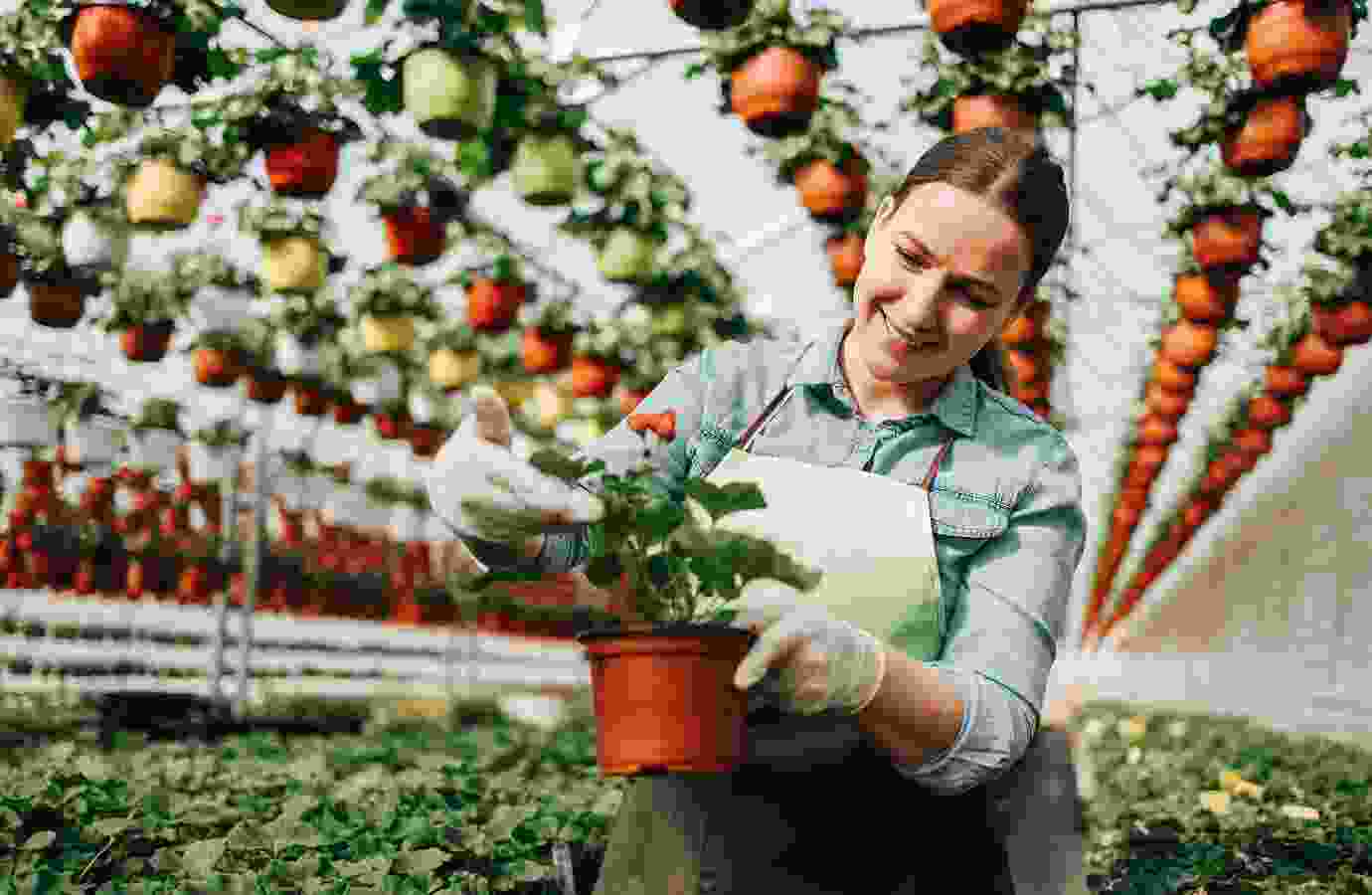
    Healthy plant nutrition is rooted in understanding how plants absorb, use, and balance essential nutrients to grow strong, resilient, and productive. Every plant requires a precise combination of macro and micronutrients, and the science behind this process reveals how each element plays a critical role in cultivating vibrant growth.

    At the heart of plant nutrition are the macronutrients—nitrogen, phosphorus, and potassium—which drive core functions such as leaf development, root formation, and overall energy production. 

    The soil serves as the primary reservoir of nutrients, and its structure, pH balance, and organic matter content determine how effectively plants can access what they need. Scientific advancements now make it easier to analyze soil health.

    Healthy Growth Explained

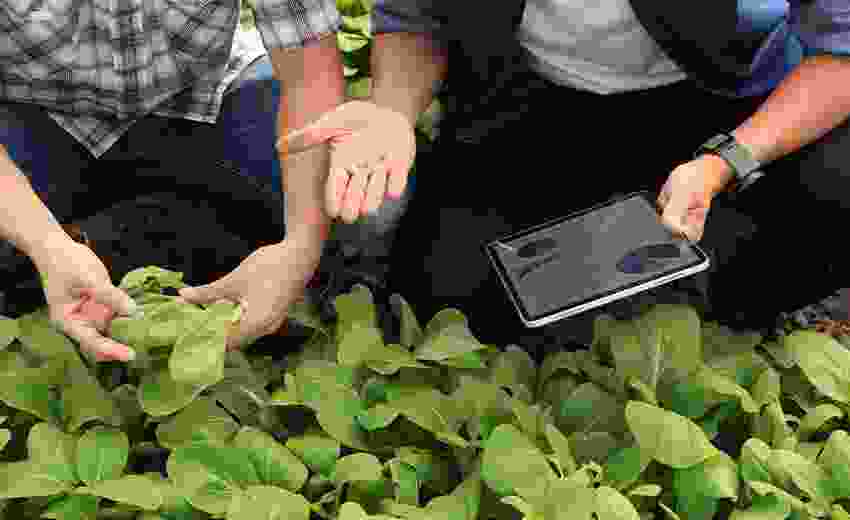
    Plants absorb nutrients through their roots via complex biological processes. Water movement, ion exchange, and microbial activity all influence how efficiently plants take in essential minerals. Beneficial soil microbes also play a crucial role by breaking down organic matter and making nutrients more available.

    • Explains how plants absorb and utilize essential nutrients.

    • Covers the role of soil structure, pH, and organic matter.

    • Emphasizes the contribution of beneficial soil microbes.

    • Focuses on sustainable nutrient management practices.

    • Promotes eco-friendly, science-backed farming decisions.
    Blog details1

    Modern research has revolutionized the way we approach plant nutrition. From slow-release fertilizers to biofertilizers and foliar sprays, innovations help farmers maintain optimal nutrient levels and reduce waste.

    “Understanding the science of plant nutrition has completely transformed how I manage my crops, leading to healthier plants and more consistent yields.”

    Petra Josefine

    Farm Learning Coordinator
  • Automation in Action: Inside A High-Tech Lettuce Farm

    Automation in Action: Inside A High-Tech Lettuce Farm

    Precision Farming Made Real

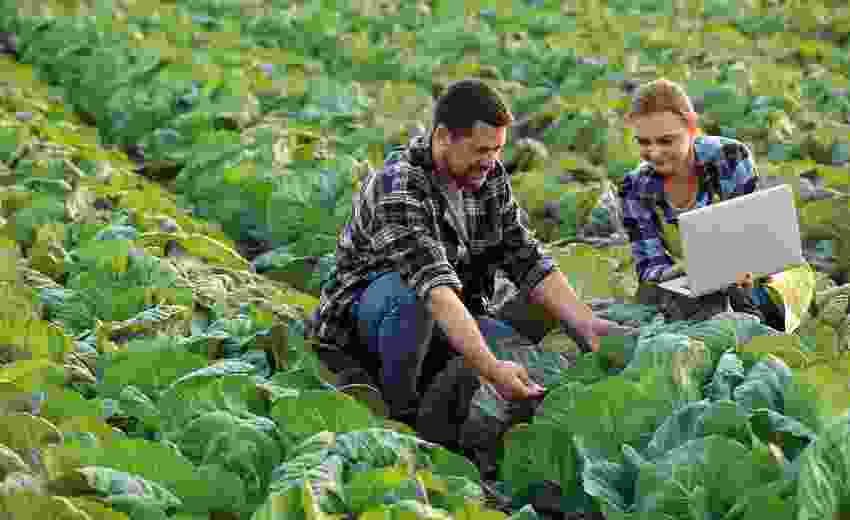
    Step inside a high-tech lettuce farm and you’ll discover a world where automation, precision, and innovation work together to grow food with remarkable efficiency. These advanced farming environments rely on cutting-edge systems that monitor, nurture, and harvest lettuce with minimal human intervention, showcasing the future of sustainable agriculture.

    In these controlled environments, every stage of growth is optimized through technology. Automated seeders plant each lettuce seed with exact accuracy, ensuring uniform spacing and ideal conditions for germination. 

    Climate-control systems maintain the perfect balance of temperature, humidity, and light—allowing plants to thrive regardless of outside weather. Robotic arms and conveyor systems handle tasks that once required repetitive manual labor.

    High-Tech Harvesting

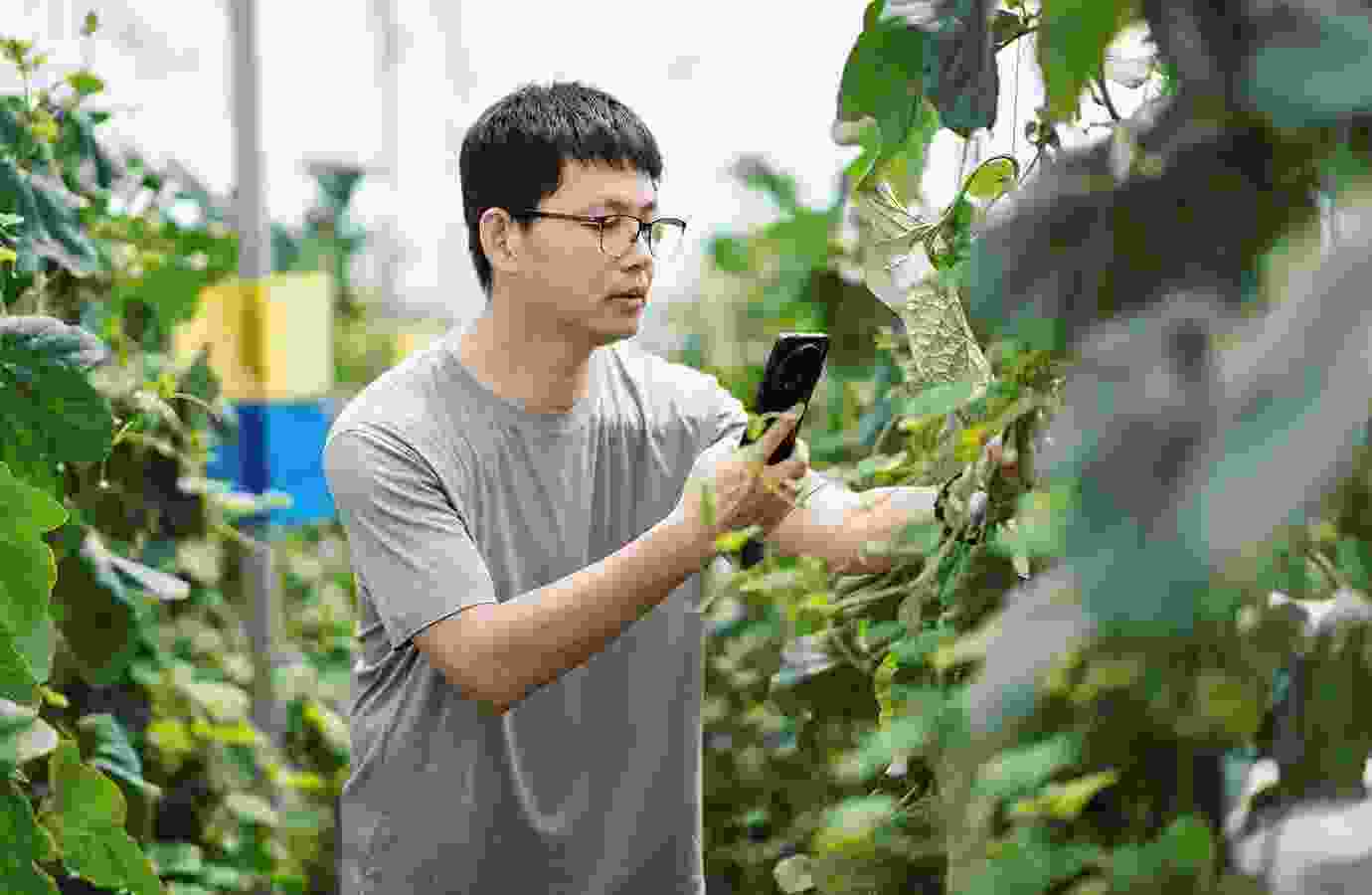
    Sensors play a crucial role in maintaining optimal growing conditions. Advanced monitoring tools track nutrient levels, pH, airflow, and moisture in real time. These systems instantly adjust water and nutrient solutions to match the plant’s needs, ensuring healthier crops and preventing waste. Data analytics and AI bring an additional layer of intelligence to the farm.

    • Real-time sensors monitor nutrients, pH, moisture, and airflow.

    • Robotic arms handle repetitive tasks with accuracy and efficiency.

    • AI-driven insights optimize yield, quality, and resource use.

    • LED lighting supports faster, energy-efficient crop growth.

    • Pesticide-free production ensures clean, healthy lettuce.

    Blog details2

    Predictive algorithms identify potential issues early, optimize resource use, and help farmers make informed decisions that enhance yield and quality. Together, these innovations create a fully integrated farming system that produces fresh, consistent, and pesticide-free lettuce.


    “Watching automation transform lettuce farming into a precise, efficient, and sustainable system has truly shown me the future of agriculture.”

    Gudrun Elena

    AgriTech Innovation Specialist

  • Crop Protection: The Science Of Modern Agriculture

    Crop Protection: The Science Of Modern Agriculture

    Innovative Defense For Farms

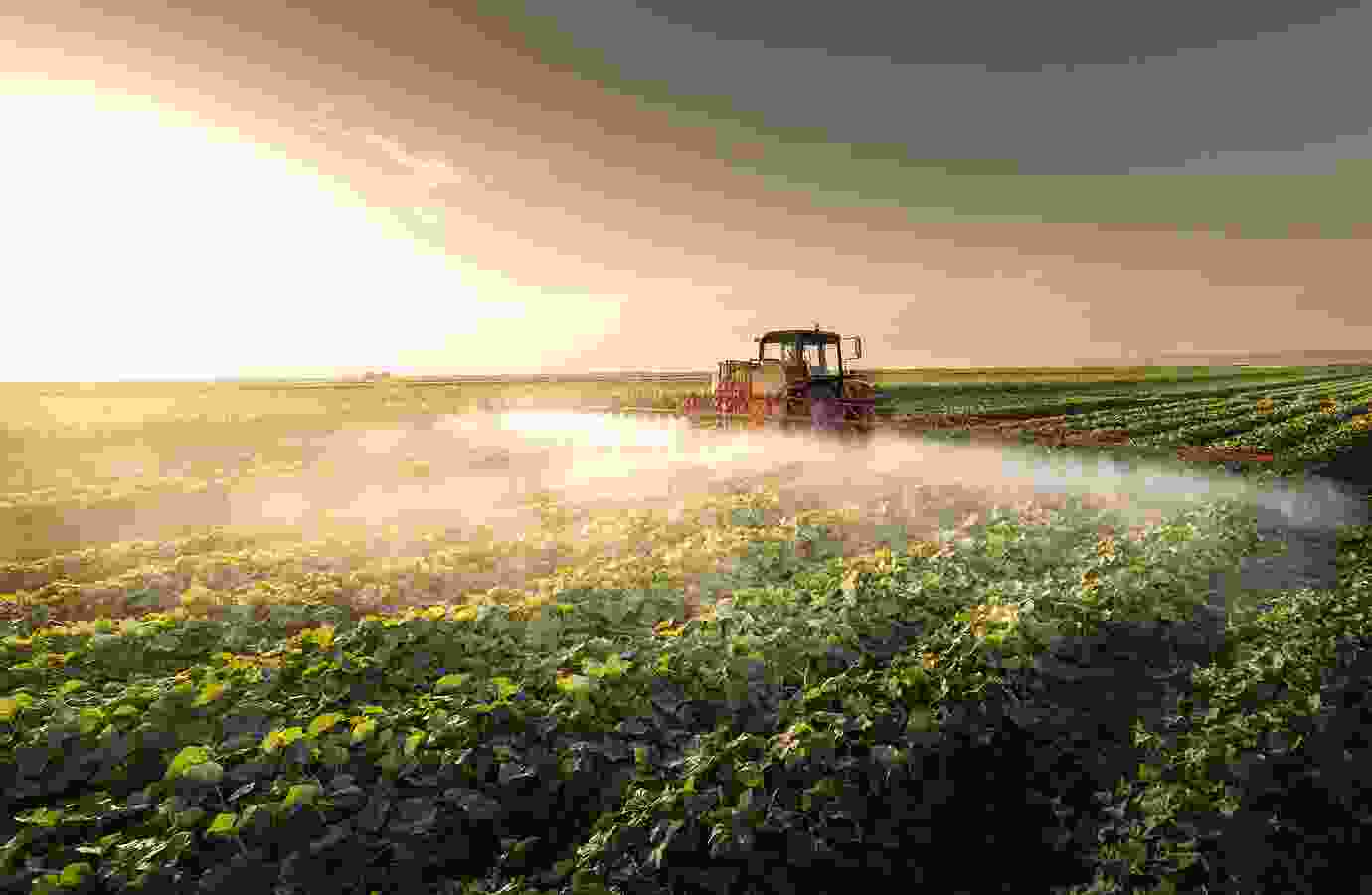
    Crop protection plays a vital role in ensuring healthy, high-yielding farms by safeguarding plants from pests, diseases, and environmental stress. Modern agriculture combines scientific knowledge, advanced technology, and sustainable practices to keep crops thriving while minimizing harm to the ecosystem.

    Today’s crop protection strategies begin with understanding the biology of pests, pathogens, and weeds. By studying how these threats develop and spread, farmers and researchers can design precise interventions.

    Integrated Pest Management (IPM) is at the core of modern crop protection. It combines biological controls, cultural practices, advanced monitoring, and targeted treatments to reduce reliance on chemical inputs.

    Agriculture Made Safer

    Technology also plays a transformative role. Drones, sensors, and satellite imaging allow farmers to detect early signs of crop stress and pest activity. These tools enable timely interventions, saving resources and preventing larger outbreaks. Education and data-driven decision-making empower farmers to adapt to evolving threats.

    • Leverages drones, sensors, and imaging for early threat detection.

    • Supports precision treatment to reduce chemical use and waste.

    • Improves farm productivity with timely, targeted interventions.

    • Enables data-based decision-making for smarter protection.

    • Boosts food security by minimizing harvest losses.

    Blog details1

    Ultimately, crop protection is the scientific shield that supports global food security. By combining innovation, sustainability, and careful management, modern agriculture ensures that every harvest is healthier, safer, and more reliable for the future.

    “Seeing how modern science and technology protect crops with precision and sustainability has completely changed the way I view agriculture.”

    Hedwig Ariane

    Crop Science Consultant

  • From Sprout to Yield: The Farmer’s Seasonal Journey

    From Sprout to Yield: The Farmer’s Seasonal Journey

    Growth Guided by Seasons

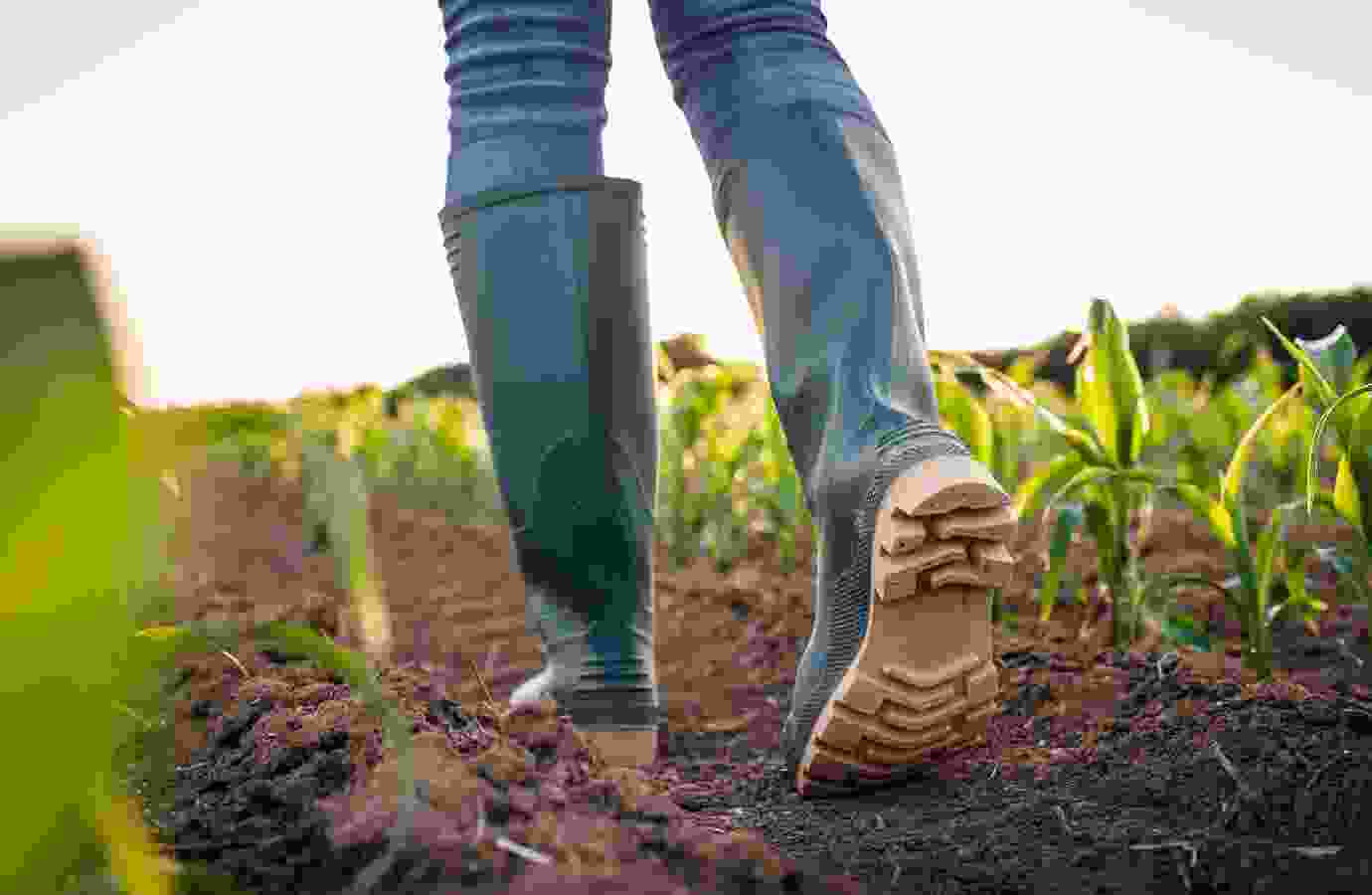
    The farmer’s seasonal journey is a story of patience, precision, and deep connection with the land. From the first sprout breaking through the soil to the final yield harvested at season’s end, every step reflects dedication, skill, and an unwavering commitment to growth. Each season marks a new chapter in the cycle of cultivation.

    Spring begins with careful soil preparation, seed selection, and planting—tasks that require both knowledge and foresight. Farmers study weather patterns, choose the right crop varieties, and nurture seedlings with attentive care.


    As summer arrives, crops demand consistent monitoring and maintenance. Farmers irrigate fields, manage pests, and support plant health through balanced nutrition. Autumn brings the reward of months of effort.

    Seasonal Harvest Story

    Harvest season is both a celebration and a test of endurance, requiring efficient handling of machinery, manpower, and timing. Each harvested crop stands as proof of the farmer’s skill, perseverance, and adaptability.

    • Emphasizes soil preparation, planting, and early crop care.

    • Reflects on winter planning and field restoration.

    • Balances tradition with modern farming practices.

    • Demonstrates how nature and agriculture work in harmony.

    • Celebrates the dedication and resilience of farmers.

    Blog details2

    Through winter, the fields rest while farmers plan ahead. They analyze yields, review lessons learned, and prepare for the next cycle with renewed optimism. The journey from sprout to yield is not just about producing food.

    “Witnessing the farmer’s journey from a tiny sprout to a thriving harvest has deepened my respect for the dedication behind every season.”

    Lotti Fritzi

    Agricultural Storytelling Writer

  • When Wheat Turns Gold: A Glimpse of Harvest Splendor

    When Wheat Turns Gold: A Glimpse of Harvest Splendor

    Honoring the Harvest Season

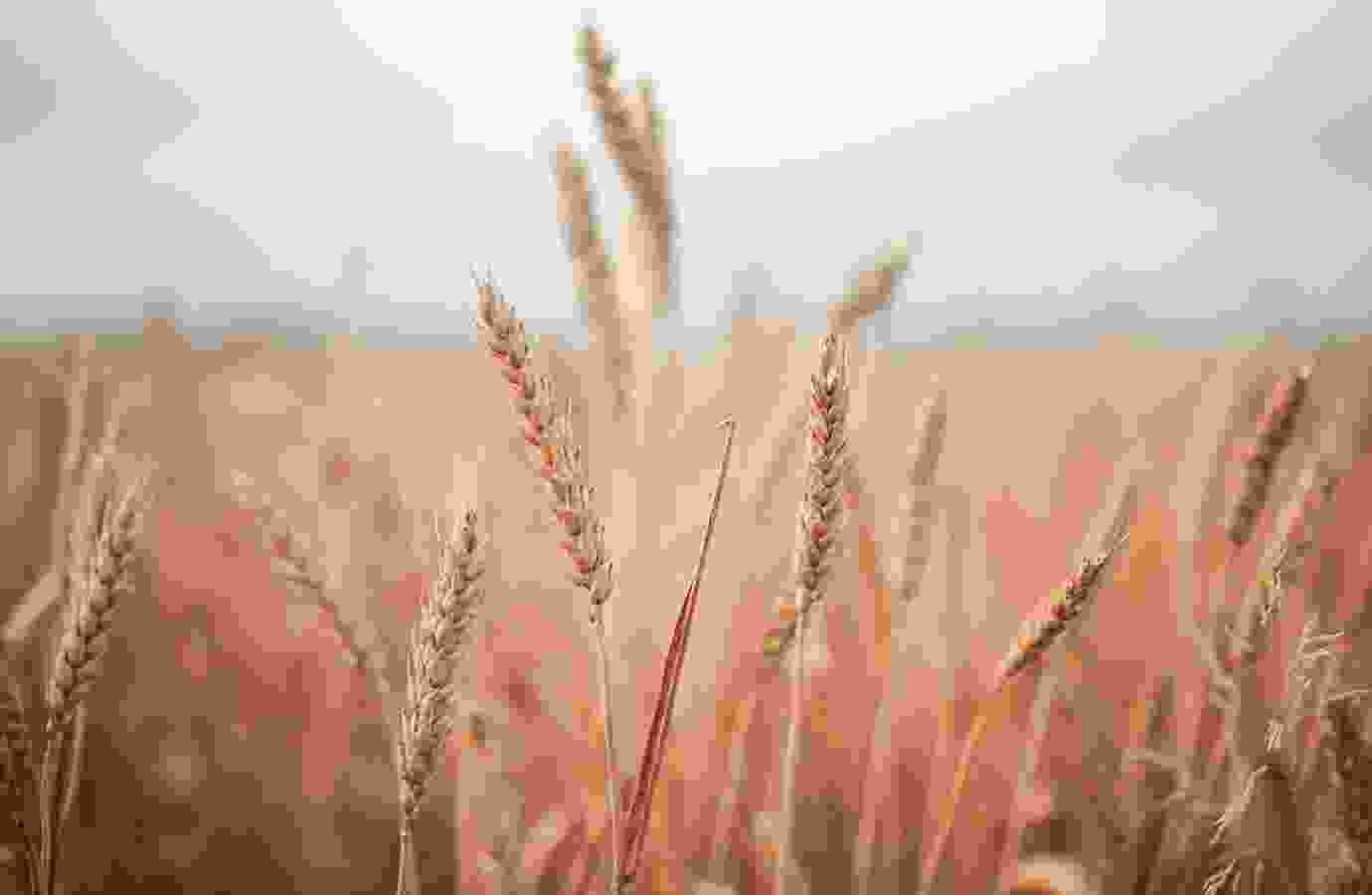
    Harvest season transforms vast fields into shimmering landscapes, reflecting the culmination of months of effort, patience, and unwavering dedication. This golden transition represents both the beauty of nature and the resilience of the farmers who nurture each crop from seed to ripeness.

    The journey to this moment begins long before the harvest. From preparing the soil to monitoring growth through changing weather, farmers put heart and skill into every stage of cultivation.

    During this time, farms come alive with activity. Machinery moves rhythmically across the land, gathering the ripened grain with precision. The air fills with the sound of harvesters and the scent of fresh wheat—a sensory reminder of the seasonal rhythm that sustains communities across the world.

    Nature’s Golden Moment

    Harvest splendor is more than a visual experience; it is a celebration of abundance and a testament to perseverance. Each golden field tells a story of hard work, timing, and trust in nature’s cycles. Farmers witness the direct reward of their labor, and communities benefit from the nourishment these grains provide.

    • Highlights the role of timing and maturity in wheat harvesting.

    • Showcases the energy and motion of harvest-time machinery.

    • Reveals the sensory experience of harvest season.

    • Connects natural beauty with agricultural achievement.

    • Honors the harmony between land and farmer.

    Blog details1

    Beyond its beauty, the wheat harvest holds deep cultural and economic significance. It fuels global food systems, supports rural livelihoods, and keeps traditions alive through time.

    “Standing before golden wheat fields at harvest time always reminds me of the incredible dedication behind every grain we rely on.”

    Liane Claudia

    Rural Photography Enthusiast

  • Essential Care Tips For Your Backyard Hens

    Essential Care Tips For Your Backyard Hens

    Building Better Hen Habits

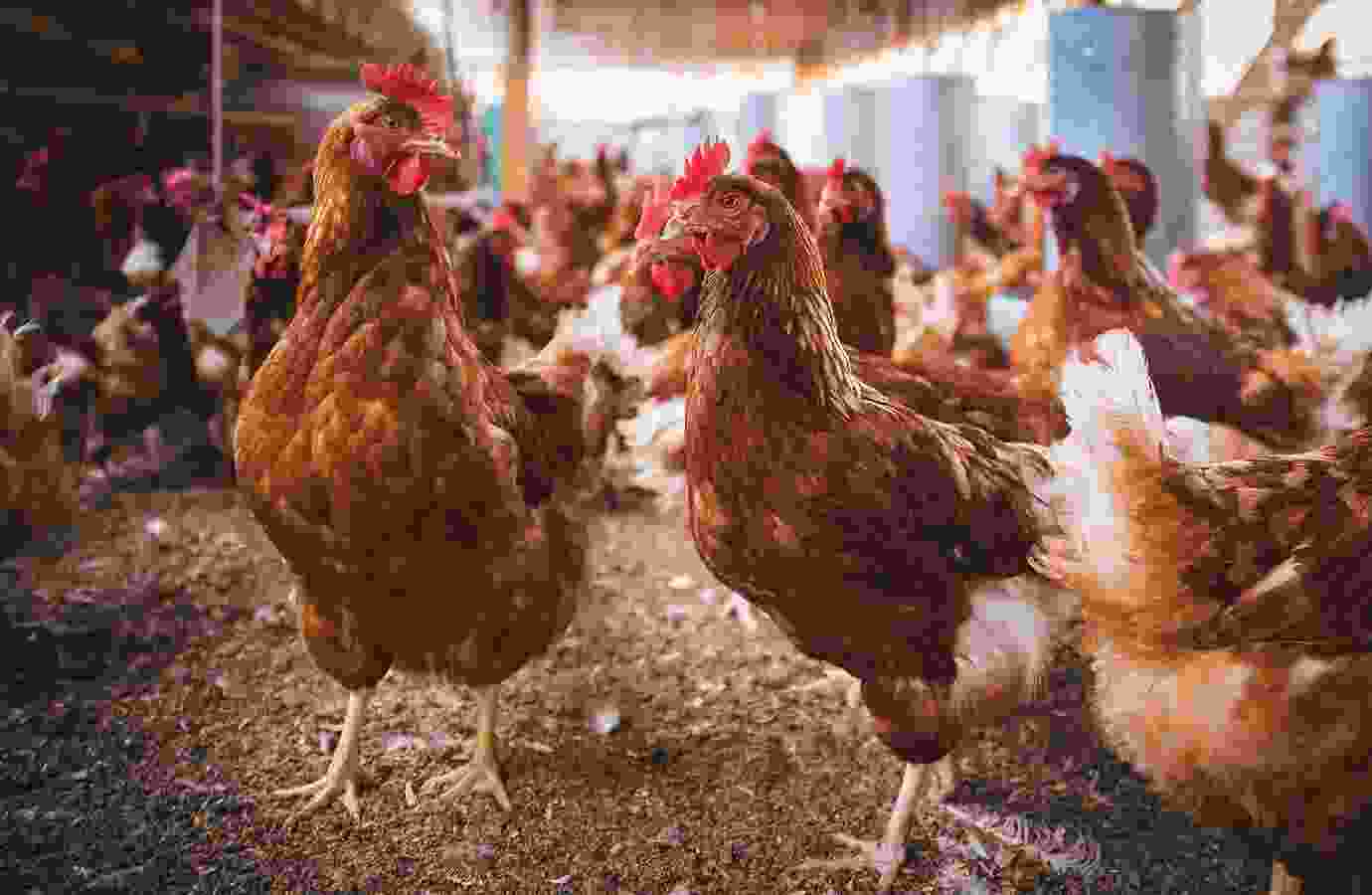
    Raising backyard hens is a rewarding experience that brings fresh eggs, natural pest control, and a touch of rural charm to any home. However, keeping hens healthy and productive requires thoughtful daily care. Understanding their needs—nutrition, environment, hygiene, and overall well-being—helps you create a safe and comfortable space where your flock can thrive.

    Good nutrition forms the foundation of hen health. Providing a balanced feed, clean water, and occasional supplements ensures strong immunity, consistent egg production, and vibrant feather quality.

    A clean and secure coop is equally essential. Regular cleaning prevents disease, while proper ventilation, dry bedding, and protection from predators maintain a safe living environment. Good nutrition forms the foundation of hen health.

    Simple Care Tips

    Monitoring hen behavior is an important part of routine care. Paying attention to signs such as reduced appetite, unusual noises, or changes in laying patterns helps identify issues early. Hens also benefit from outdoor time.

    • Covers daily care essentials for backyard hens.

    • Highlights importance of balanced feed and hydration.

    • Promotes safe, clean, and well-ventilated coop spaces.

    • Encourages natural behavior through outdoor activity.

    • Supports early detection of common health concerns.

    Blog details1
    Blog details2

    Ultimately, caring for backyard hens is about patience, attention, and a genuine connection with your birds. With the right care practices, your hens will reward you with fresh eggs, lively personalities, and the satisfaction that comes from raising a happy, healthy flock.

    “Learning these simple care tips has made my hens healthier, happier, and far more productive than I ever expected, transforming my daily routine into a truly rewarding experience.”

    Johanna Anne

    Backyard Poultry Hobbyist